What replaced the Saucony Peregrine 13?
Updated August 9, 2026. Specs are men's US 9.
Amazon links on this page pay us a commission. It never changes your price. Details
THE SHORT ANSWER
The Saucony Peregrine 14 replaced the Peregrine 13 in early 2024 with a spec sheet that promised more than the shoe delivered: a quoted 3 mm stack increase that lab calipers could barely find, a noticeably firmer outsole, a wider fit, and the line's one real quality-control cluster, heel rubber that split inside 100 km, on the way to a community score that somehow still went up.
- Saucony Peregrine 13Sizes running outMen's at AmazonWomen's
- Saucony Peregrine 14Sizes running outMen's at AmazonWomen's
Availability last checked Aug 9, 2026. Prices and stock change without notice.
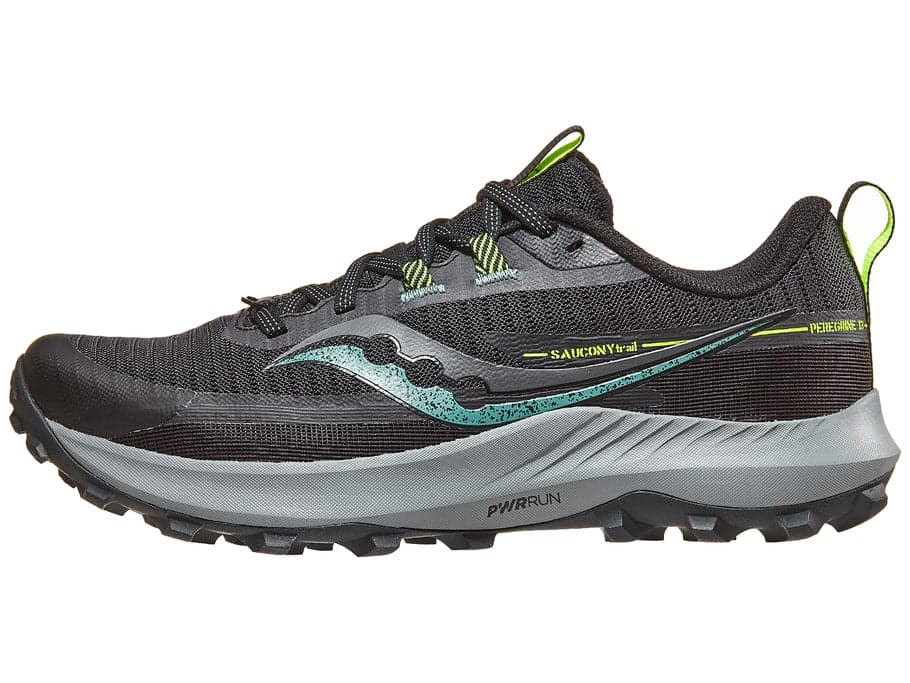
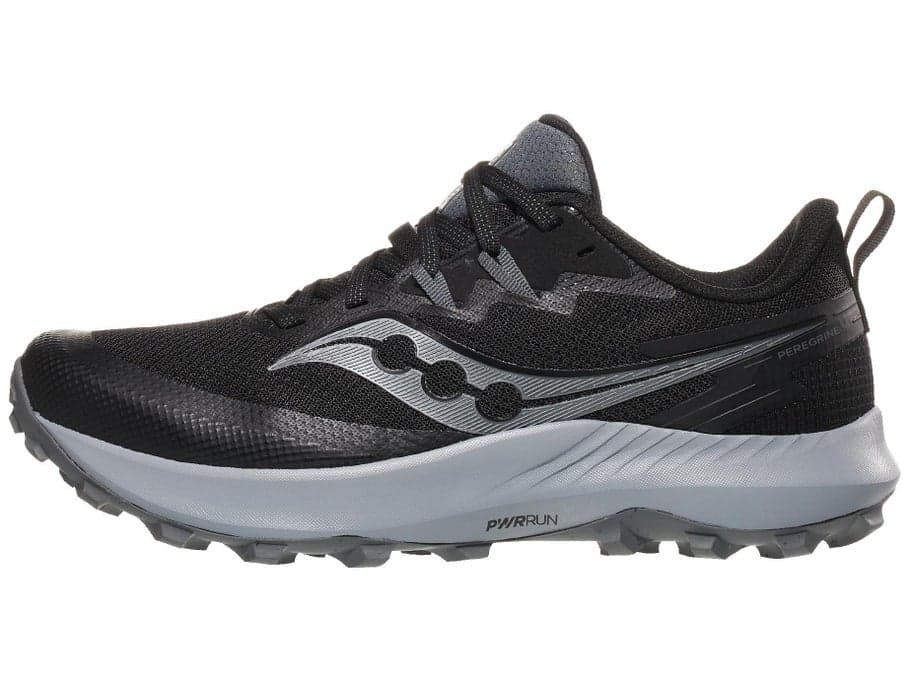
At a glance
- The Peregrine 14 is 0.2 oz heavier
- 3 mm more heel stack
- Drop is unchanged at 4 mm
- New midsole foam
Every spec side by side, with the reason behind each change: Peregrine 13 vs 14.
Stay on your shoe, or switch?
Changed characterThe confusing one. Doctors of Running graded it straight Bs and said the line had gone a little too far in the cushioning direction, the spec sheet claimed a stack jump the calipers refuted, the heel rubber split early enough to generate warranty claims, and the community score went up anyway, to 62 percent. The resolution is that the complaints are concentrated and specific while the shoe around them got roomier and friendlier for easy miles. This is also where the Peregrine stopped being the racy one and started being the relaxed one.
Stick with the Peregrine 13 if
- You want the racier, closer-to-ground 13; the 14 is wider, firmer underfoot and more relaxed in character
- Wet rock is your terrain: the 14's harder compound is its worst surface
Move to the Peregrine 14 if
- The 13 pinched; the 14 is the roomiest Peregrine to this point and adds a 2E
- You want more protection underfoot for easy trail days rather than pace
Where the Saucony Peregrine is now
The line has moved three versions past the Saucony Peregrine 13, and the current model is now the Peregrine 16 (2026). Measured against your shoe:
- The Peregrine 16 is 0.6 oz heavier
- 4 mm more heel stack
- Drop is unchanged at 4 mm
- New midsole foam
- List price up $5
What loyalists said about the update
Better liked than its record suggests, at 62 percent on Reddit and roughly 4.1 stars at retail with only 8 percent one-star. The failure reports are vivid rather than universal: the double warranty failure at 100 and 90 km, lugs tearing off, side fabric opening early, heel blisters from the stiff cup, and a shoe that runs narrow and short by fit reports. Set against that, plenty of owners report normal lifespans, and one logged 1,500 miles on a pre-14 pair to remind everyone what the line can do when the bonding holds.
Still want the original?
Buy remaining Peregrine 13 stock
Sizes running outDiscontinued at retail. Amazon carries what remains, so treat an in-stock size as a closing window, and expect prices to swing.
Availability last checked Aug 9, 2026.
Ready to move on?
Beyond the Peregrine 14, these come closest to what the Peregrine 13 did.
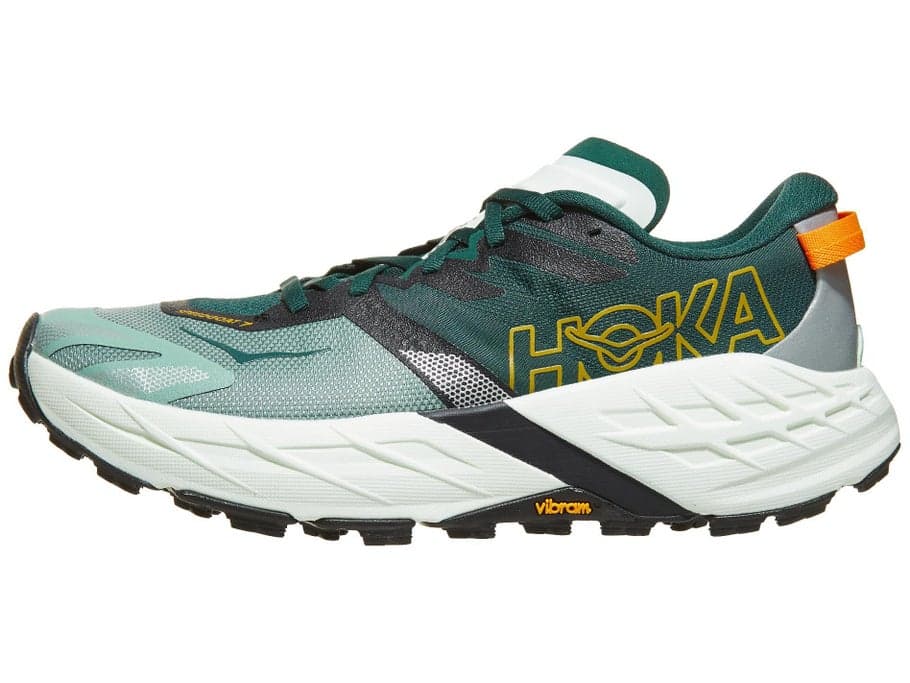
- 9.6 oz
- 5 mm drop
- 40 mm heel
- $165 list
The two mainstream technical-trail picks, split by philosophy. The Speedgoat stacks 40 mm of foam on a 5 mm drop and protects with sheer volume; the Peregrine sits around 30 mm on a 4 mm drop and protects with a rock plate, trading cushion for ground feel and about an ounce. Since the Peregrine 16 they share Vibram Megagrip rubber, so the choice is now purely about how much shoe you want between you and the trail.
Against your Saucony Peregrine 13: 0.4 oz heavier, 12 mm more heel stack, 1 mm more drop, $25 more at list.
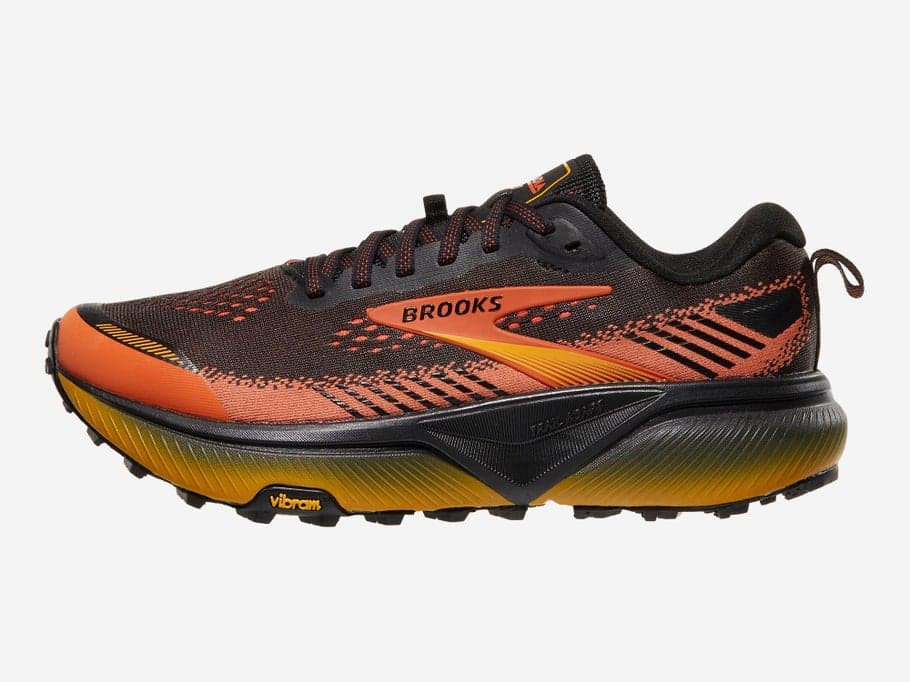
- 10.8 oz
- 6 mm drop
- 38 mm heel
- $160 list
The other conventional-drop trail workhorse with a rock-plate heritage, one shelf over. The Cascadia is the heavier, more protective, more hiking-adjacent of the two, with a 2E width the Peregrine only recently matched; the Peregrine is lighter, lower and quicker. Believe in the Run benchmarked the Peregrine 16 against the Cascadia 19 directly, and both lines swapped their house rubber for Vibram within a year of each other.
Against your Saucony Peregrine 13: 1.6 oz heavier, 10 mm more heel stack, 2 mm more drop, $20 more at list.
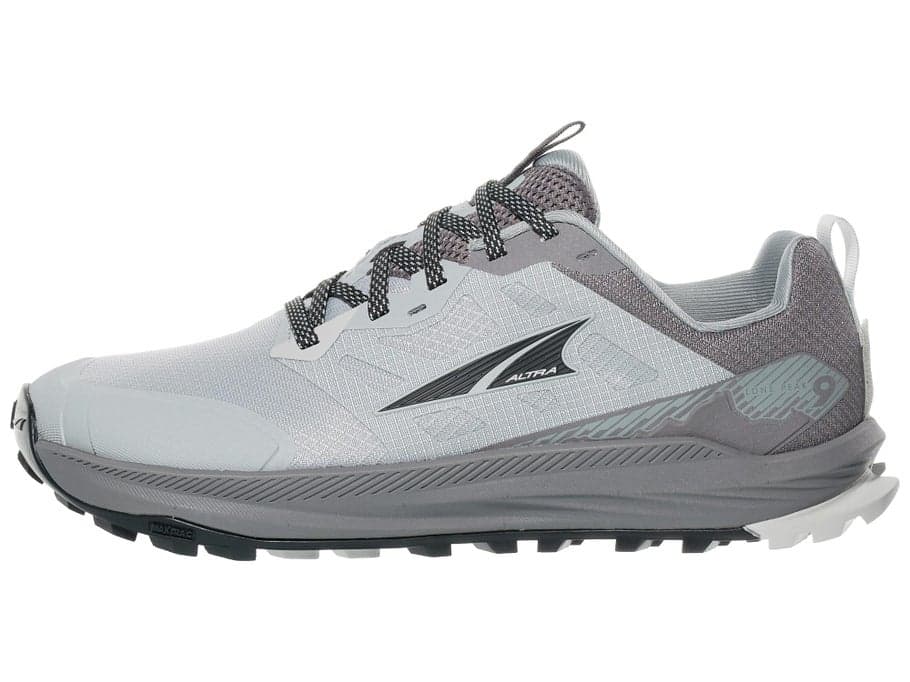
- 10.4 oz
- 0 mm drop
- 25 mm heel
- $140 list
The two low-stack, ground-feel trail shoes, separated by the drop question. The Lone Peak is zero drop and foot-shaped at 25 mm; the Peregrine runs 4 mm with a conventional taper and a snugger midfoot, plus a rock plate the Lone Peak buries in its midsole. Runners who want trail feel without committing to zero drop usually land on the Peregrine; the traffic the other way is Peregrine owners whose toes want more room.
Against your Saucony Peregrine 13: 1.2 oz heavier, 3 mm less heel stack, 4 mm less drop.
Questions runners ask
- Is the Saucony Peregrine 13 still available?
- For now. Amazon still lists the Saucony Peregrine 13, but the size run is thinning and prices swing with remaining stock. If your size is there, this is the late window, not the early one.
- Is the Peregrine 14 a downgrade from the Saucony Peregrine 13?
- Not a downgrade, but a different shoe. The Peregrine 14 scores well with new buyers while changing the ride that Saucony Peregrine 13 loyalists bought it for. Read the spec changes before assuming it will feel familiar.
- How much heavier is the Peregrine 14?
- 0.2 oz heavier in a men's US 9: 9.4 oz against the Saucony Peregrine 13's 9.2 oz.
- Is the Saucony Peregrine still made?
- Yes. The current version is the Saucony Peregrine 16, released in 2026, 3 versions on from the Saucony Peregrine 13.
- What is the closest current alternative to the Saucony Peregrine 13?
- The Hoka Speedgoat 7. The two mainstream technical-trail picks, split by philosophy. The Speedgoat stacks 40 mm of foam on a 5 mm drop and protects with sheer volume; the Peregrine sits around 30 mm on a 4 mm drop and protects with a rock plate, trading cushion for ground feel and about an ounce. Since the Peregrine 16 they share Vibram Megagrip rubber, so the choice is now purely about how much shoe you want between you and the trail.