What replaced the Brooks Cascadia 19?
Updated September 10, 2026. Specs are men's US 9.
Amazon links on this page pay us a commission. It never changes your price. Details
THE SHORT ANSWER
The Brooks Cascadia 20 replaced the Cascadia 19 on August 1 2026, and it changes more than any Cascadia before it. Vibram Megagrip replaces TrailTack rubber for the first time in line history, the rock plate is gone entirely per RunRepeat's teardown, DNA Flash v2 nitrogen-infused foam replaces DNA Loft v3, the stack rises to a quoted 38 mm, the platform narrows by roughly a centimetre, and the price reaches $160.
- Brooks Cascadia 19Sizes running outMen's at AmazonWomen's
- Brooks Cascadia 20Sizes running outMen's at AmazonWomen's
Availability last checked Sep 10, 2026. Prices and stock change without notice.
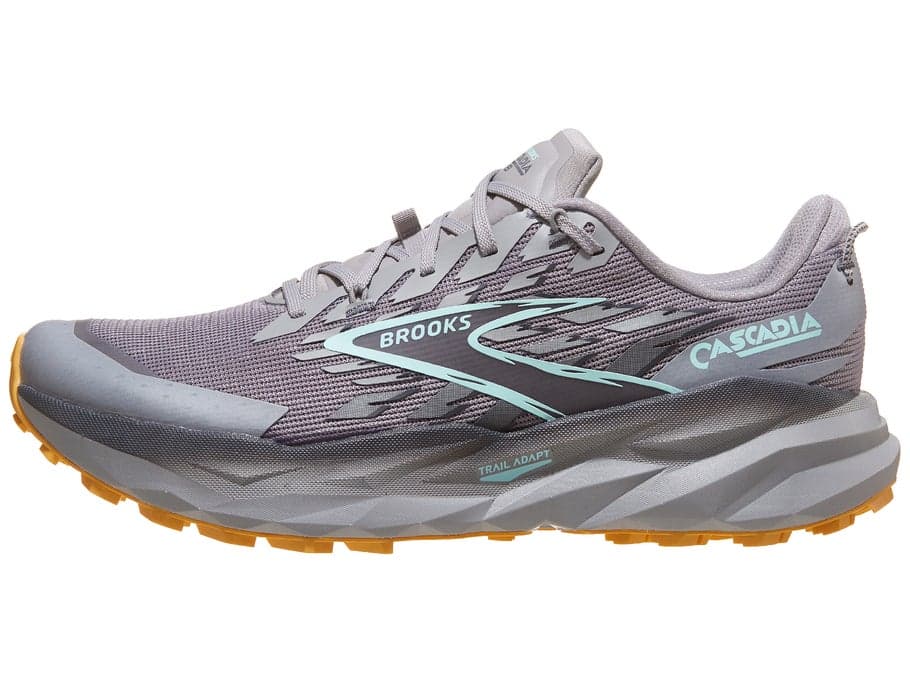
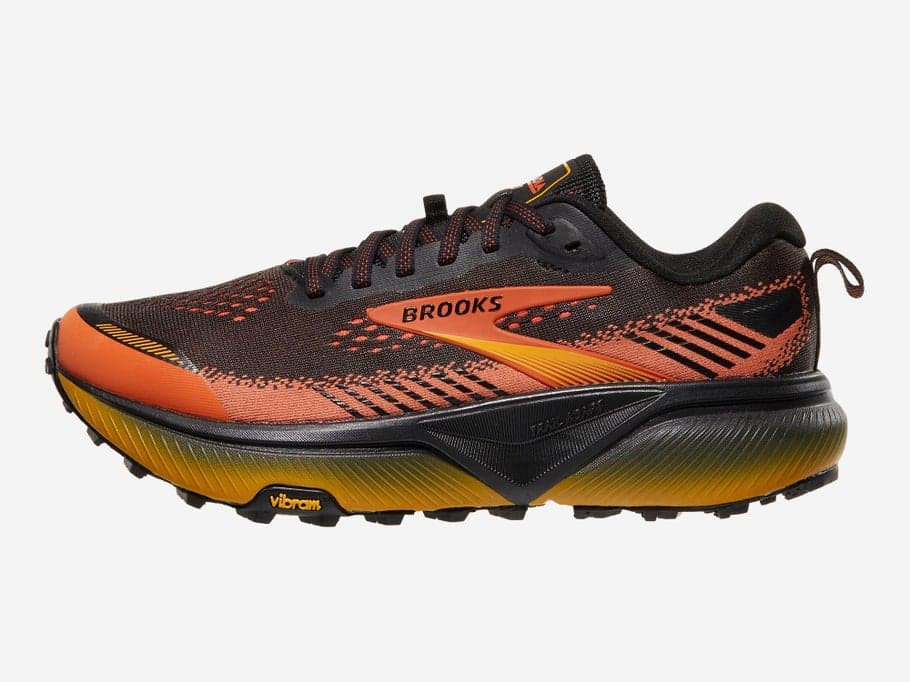
At a glance
- Weight is unchanged
- 3 mm more heel stack
- Drop is unchanged at 6 mm
- New midsole foam
- List price up $10
Every spec side by side, with the reason behind each change: Cascadia 19 vs 20.
Stay on your shoe, or switch?
Changed characterThe biggest single-version change in Cascadia history, judged a week into its life. Vibram Megagrip in, rock plate out, race-derived nitrogen foam, a taller stack and a platform narrowed by a centimetre: this is the Cascadia rebuilt as a modern max-cushion trail shoe rather than a plated protector. Road Trail Run and RunRepeat both like it so far, and nobody else has weighed in, because it shipped on August 1 2026. Treat this page as provisional until the season's reviews and the first thru-hiker survey arrive.
Stick with the Cascadia 19 if
- You bought the Cascadia for the rock plate and the wide platform; the 20 deletes the first and narrows the second
- You want a proven shoe now, since the 19 is discounted, well reviewed and a known quantity
Move to the Cascadia 20 if
- Grip was your complaint: Vibram Megagrip is the outsole two decades of Cascadia reviews asked for
- You want maximum cushion and are comfortable being an early adopter on an unproven redesign
What loyalists said about the update
Too new to have any. The 20 reached retail on August 1 2026, days before this page was written; there are no aggregate scores, no retail review base and no long-mile reports yet. What exists is two early professional reviews, both positive about the grip and the softer ride and both raising the same two questions, whether the narrower platform costs the Cascadia its famous stability, and how the line's first plateless design protects on rock. This entry will be rewritten when real data lands; check back in the fall.
Still want the original?
Buy remaining Cascadia 19 stock
Sizes running outDiscontinued at retail. Amazon carries what remains, so treat an in-stock size as a closing window, and expect prices to swing.
Availability last checked Sep 10, 2026.
Ready to move on?
Beyond the Cascadia 20, these come closest to what the Cascadia 19 did.
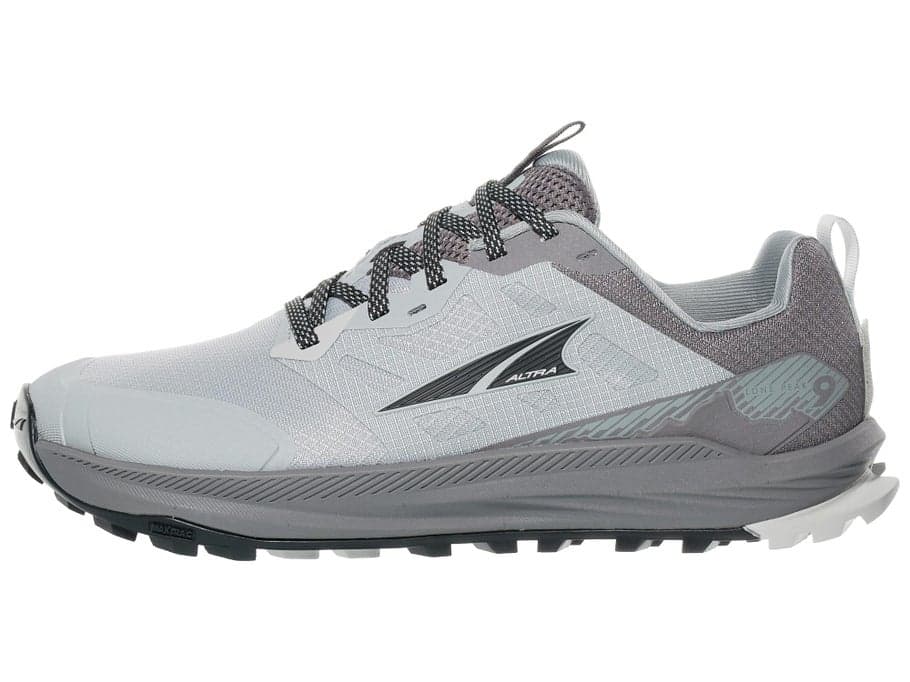
- 10.4 oz
- 0 mm drop
- 25 mm heel
- $140 list
The two default thru-hiking shoes, and the cleanest philosophical split in trail running. The Lone Peak is zero drop, foot-shaped and low to the ground; the Cascadia runs a conventional taper, a 6 to 8 mm drop and a rock plate. Hikers cross-shop them constantly and the surveys disagree by trail: the Lone Peak owns the AT by wear count while the Cascadia out-rates it on the PCT. Moving between them means relearning your stride, not just your size.
Against your Brooks Cascadia 19: 0.4 oz lighter, 10 mm less heel stack, 6 mm less drop, $10 less at list.
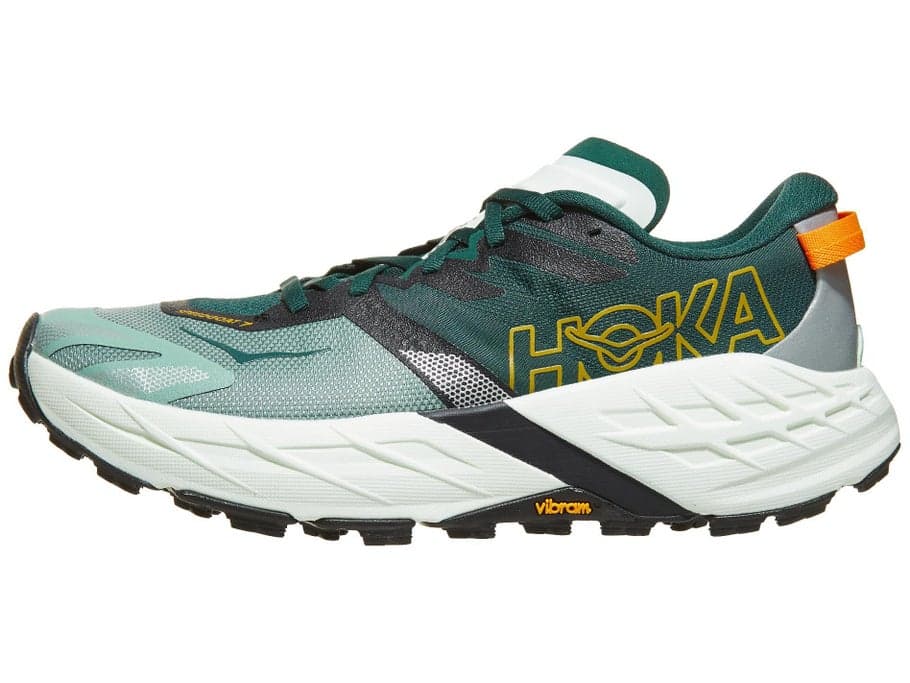
- 9.6 oz
- 5 mm drop
- 40 mm heel
- $165 list
The two mainstream technical-trail workhorses. The Speedgoat carries more foam on a 5 mm drop with Vibram Megagrip; the Cascadia sat lower with a rock plate and Brooks rubber until the 20 adopted Megagrip itself and dropped the plate, which moves the two closer than they have ever been. The Speedgoat still locks the foot down harder; the Cascadia still fits wider feet, in an actual 2E.
Against your Brooks Cascadia 19: 1.2 oz lighter, 5 mm more heel stack, 1 mm less drop, $15 more at list.
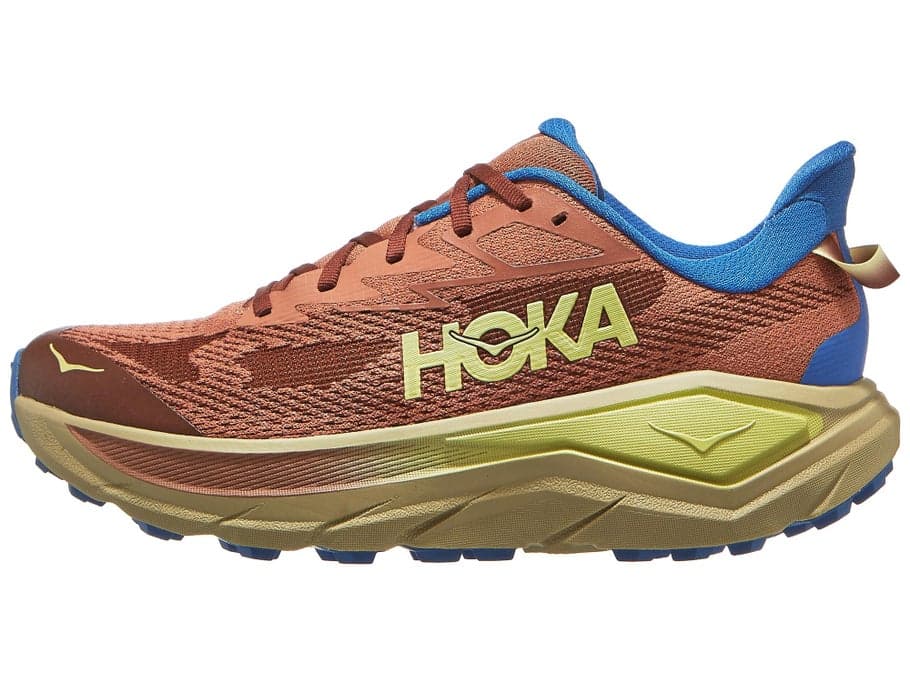
- 9.5 oz
- 8 mm drop
- 42 mm heel
- $155 list
Adjacent jobs rather than the same one. The Challenger is the door-to-trail cruiser, happiest on gravel and smooth singletrack; the Cascadia is the all-terrain protector, built around a rock plate and a rand for ground the Challenger reads through its soft midsole. Owners who split their miles between pavement and trail lean Challenger; owners who load a pack or point at rock lean Cascadia.
Against your Brooks Cascadia 19: 1.3 oz lighter, 7 mm more heel stack, 2 mm more drop, $5 more at list.
Questions runners ask
- Is the Brooks Cascadia 19 still available?
- For now. Amazon still lists the Brooks Cascadia 19, but the size run is thinning and prices swing with remaining stock. If your size is there, this is the late window, not the early one.
- Is the Cascadia 20 a downgrade from the Brooks Cascadia 19?
- Not a downgrade, but a different shoe. The Cascadia 20 scores well with new buyers while changing the ride that Brooks Cascadia 19 loyalists bought it for. Read the spec changes before assuming it will feel familiar.
- What is the closest current alternative to the Brooks Cascadia 19?
- The Altra Lone Peak 9. The two default thru-hiking shoes, and the cleanest philosophical split in trail running. The Lone Peak is zero drop, foot-shaped and low to the ground; the Cascadia runs a conventional taper, a 6 to 8 mm drop and a rock plate. Hikers cross-shop them constantly and the surveys disagree by trail: the Lone Peak owns the AT by wear count while the Cascadia out-rates it on the PCT. Moving between them means relearning your stride, not just your size.