What replaced the Brooks Cascadia 18?
Updated September 10, 2026. Specs are men's US 9.
Amazon links on this page pay us a commission. It never changes your price. Details
THE SHORT ANSWER
The Brooks Cascadia 19 replaced the Cascadia 18 in August 2025, and it is the comeback. Supercritical DNA Loft v3 ended three generations on the same foam, the stack rose to 35 and 29 mm, the drop fell from 8 mm to 6, and RunRepeat's score jumped from 74 to 85, the line's biggest single-version gain. Reviewers and owners agreed for once, and the price moved to $150.
- Brooks Cascadia 18Sizes running outMen's at AmazonWomen's
- Brooks Cascadia 19Sizes running outMen's at AmazonWomen's
Availability last checked Sep 10, 2026. Prices and stock change without notice.
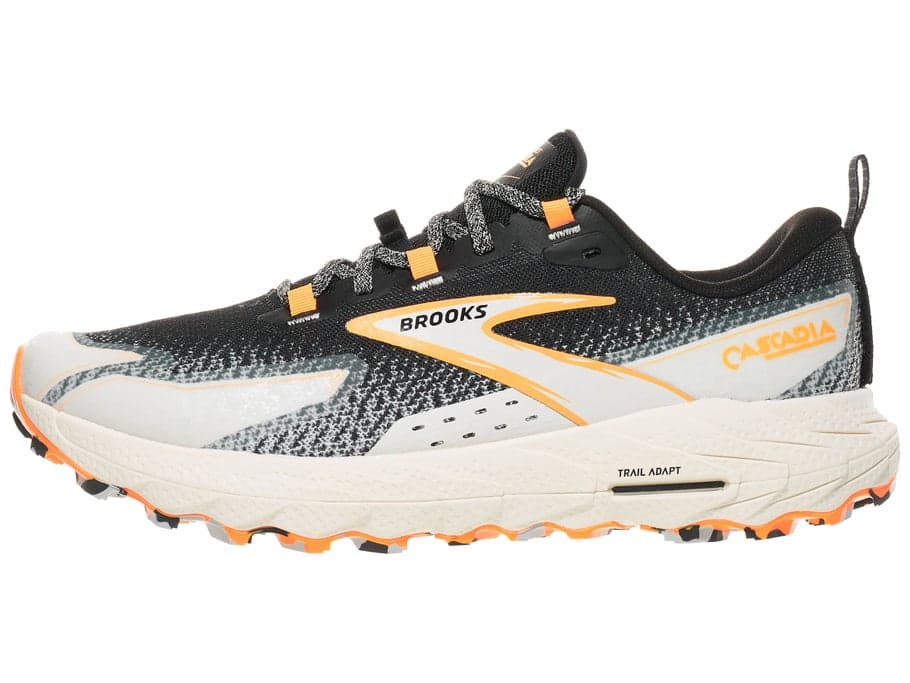
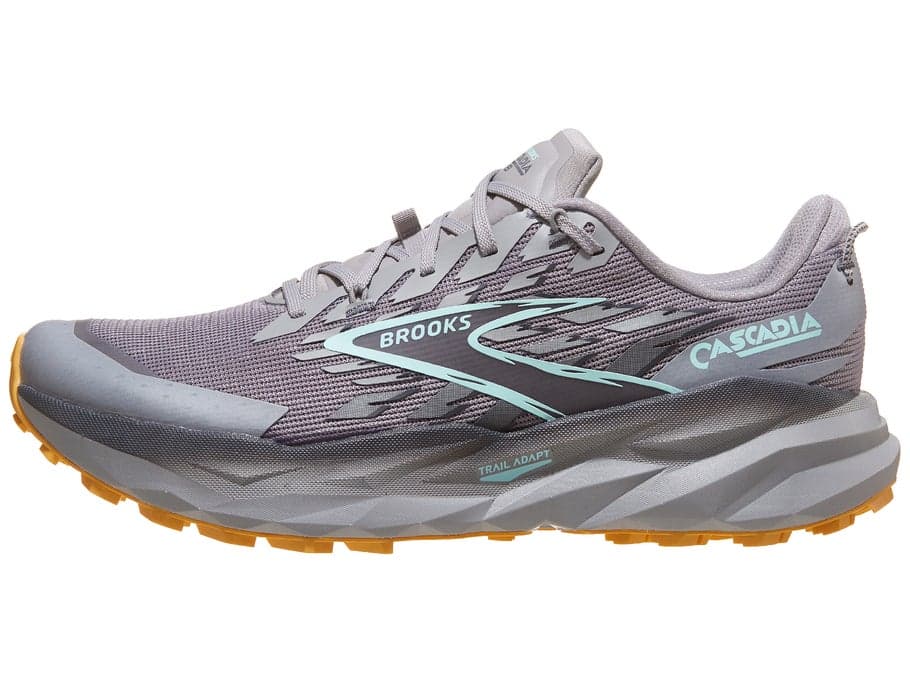
At a glance
- Weight is unchanged
- 2 mm more heel stack
- Drop moved from 8 mm to 6 mm
- New midsole foam
- List price up $10
Every spec side by side, with the reason behind each change: Cascadia 18 vs 19.
Stay on your shoe, or switch?
Refined, same shoeThe comeback, and for once nobody disagrees. Three independent outlets reached for the same word, RunRepeat's score jumped 74 to 85, the biggest single-version gain in the line, and the owners in the very thread that had declared the Cascadia dead came back with the best trail shoe I have ever run in. Believe in the Run's B grade is the sober reading: a heavy shoe made noticeably better rather than a transformed one. The durability question that dogged the 16 through 18 stays open until pairs age past 300 miles.
Stick with the Cascadia 18 if
- You want the classic 8 mm Cascadia geometry, which ended here
- Your 18s are alive and your complaint was never the foam, since stack and plate carry over in spirit
Move to the Cascadia 19 if
- You waited out three generations of DNA Loft v2; the v3 foam is the upgrade that was missing
- The 17 and 18 felt like planks to you: the articulated plate and softer foam fixed exactly that
Where the Brooks Cascadia is now
Two updates on, the Cascadia 20 (2026) is what sits on shelves today. Against the shoe you own rather than the one that directly replaced it:
- Weight is unchanged
- 5 mm more heel stack
- Drop moved from 8 mm to 6 mm
- New midsole foam
- List price up $20
What loyalists said about the update
Agreement, which this line had not seen in years. The Death of a Once-Great Shoe thread turned around on the 19: so light and nimble, much less likely to cut the ankle than the 18s, the best trail shoe I have ever run in. Reddit variant pages aggregate 72 percent across more than 200 reviews each, up from the 18 GTX's 64. The volume caveat is real, though: Zappos holds only 72 reviews against the 16's 550, so this is first-year enthusiasm, not a durability verdict, and the 11 percent one-star share on that small sample bears watching.
Still want the original?
Buy remaining Cascadia 18 stock
Sizes running outDiscontinued at retail. Amazon carries what remains, so treat an in-stock size as a closing window, and expect prices to swing.
Availability last checked Sep 10, 2026.
Ready to move on?
Beyond the Cascadia 19, these come closest to what the Cascadia 18 did.
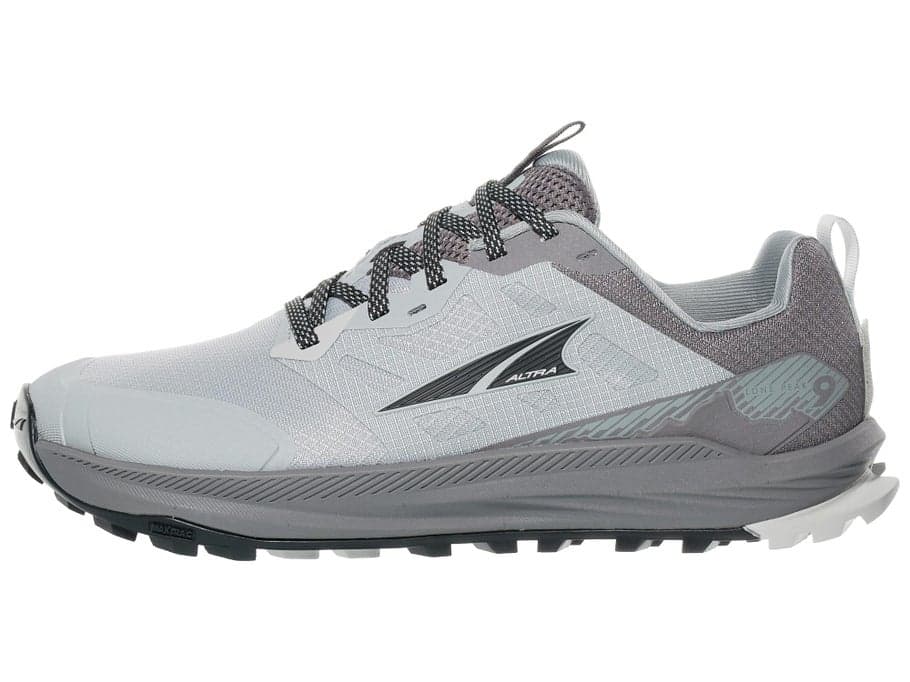
- 10.4 oz
- 0 mm drop
- 25 mm heel
- $140 list
The two default thru-hiking shoes, and the cleanest philosophical split in trail running. The Lone Peak is zero drop, foot-shaped and low to the ground; the Cascadia runs a conventional taper, a 6 to 8 mm drop and a rock plate. Hikers cross-shop them constantly and the surveys disagree by trail: the Lone Peak owns the AT by wear count while the Cascadia out-rates it on the PCT. Moving between them means relearning your stride, not just your size.
Against your Brooks Cascadia 18: 0.5 oz lighter, 8 mm less heel stack, 8 mm less drop.
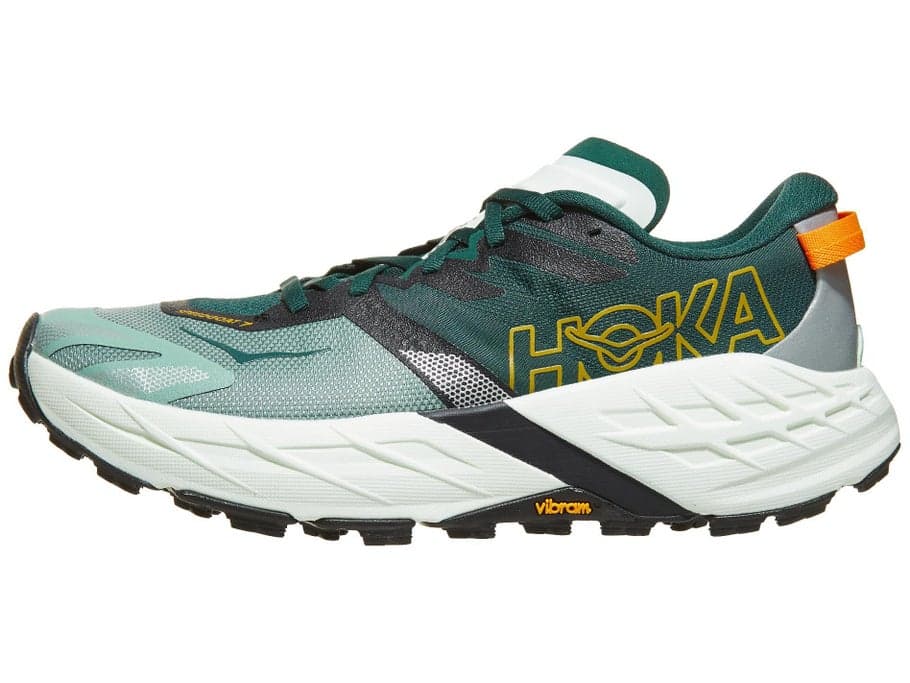
- 9.6 oz
- 5 mm drop
- 40 mm heel
- $165 list
The two mainstream technical-trail workhorses. The Speedgoat carries more foam on a 5 mm drop with Vibram Megagrip; the Cascadia sat lower with a rock plate and Brooks rubber until the 20 adopted Megagrip itself and dropped the plate, which moves the two closer than they have ever been. The Speedgoat still locks the foot down harder; the Cascadia still fits wider feet, in an actual 2E.
Against your Brooks Cascadia 18: 1.3 oz lighter, 7 mm more heel stack, 3 mm less drop, $25 more at list.
- 9.5 oz
- 8 mm drop
- 42 mm heel
- $155 list
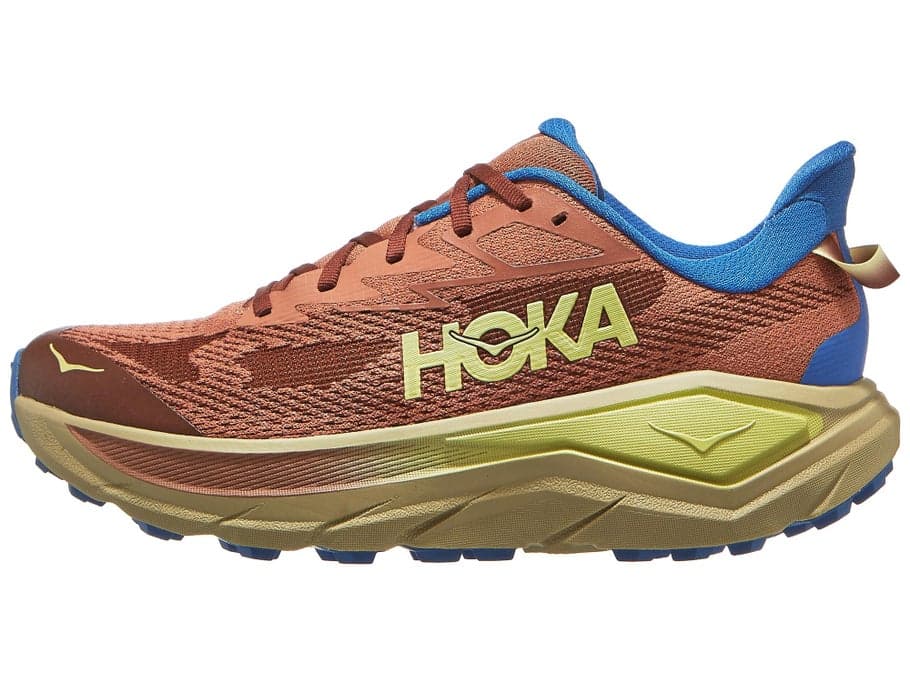
Adjacent jobs rather than the same one. The Challenger is the door-to-trail cruiser, happiest on gravel and smooth singletrack; the Cascadia is the all-terrain protector, built around a rock plate and a rand for ground the Challenger reads through its soft midsole. Owners who split their miles between pavement and trail lean Challenger; owners who load a pack or point at rock lean Cascadia.
Against your Brooks Cascadia 18: 1.4 oz lighter, 9 mm more heel stack, the same drop, $15 more at list.
Questions runners ask
- Is the Brooks Cascadia 18 still available?
- For now. Amazon still lists the Brooks Cascadia 18, but the size run is thinning and prices swing with remaining stock. If your size is there, this is the late window, not the early one.
- Is the Cascadia 19 a downgrade from the Brooks Cascadia 18?
- No. Most runners rate the Cascadia 19 as the same shoe done slightly better. The changes are real but none of them alter what the shoe is.
- Did the drop change from the Brooks Cascadia 18 to the Cascadia 19?
- Yes, from 8 mm to 6 mm. A drop change this size affects where your foot loads at landing, so plan a few easy runs to adapt.
- Is the Brooks Cascadia still made?
- Yes. The current version is the Brooks Cascadia 20, released in 2026, 2 versions on from the Brooks Cascadia 18.
- What is the closest current alternative to the Brooks Cascadia 18?
- The Altra Lone Peak 9. The two default thru-hiking shoes, and the cleanest philosophical split in trail running. The Lone Peak is zero drop, foot-shaped and low to the ground; the Cascadia runs a conventional taper, a 6 to 8 mm drop and a rock plate. Hikers cross-shop them constantly and the surveys disagree by trail: the Lone Peak owns the AT by wear count while the Cascadia out-rates it on the PCT. Moving between them means relearning your stride, not just your size.