What replaced the Saucony Peregrine 15?
Updated September 10, 2026. Specs are men's US 9.
Amazon links on this page pay us a commission. It never changes your price. Details
THE SHORT ANSWER
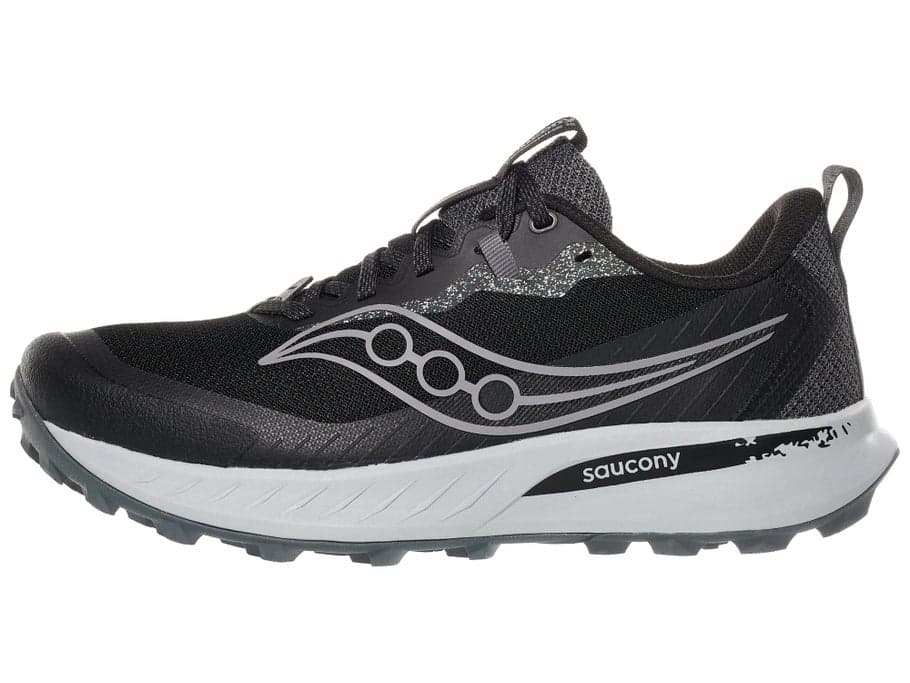
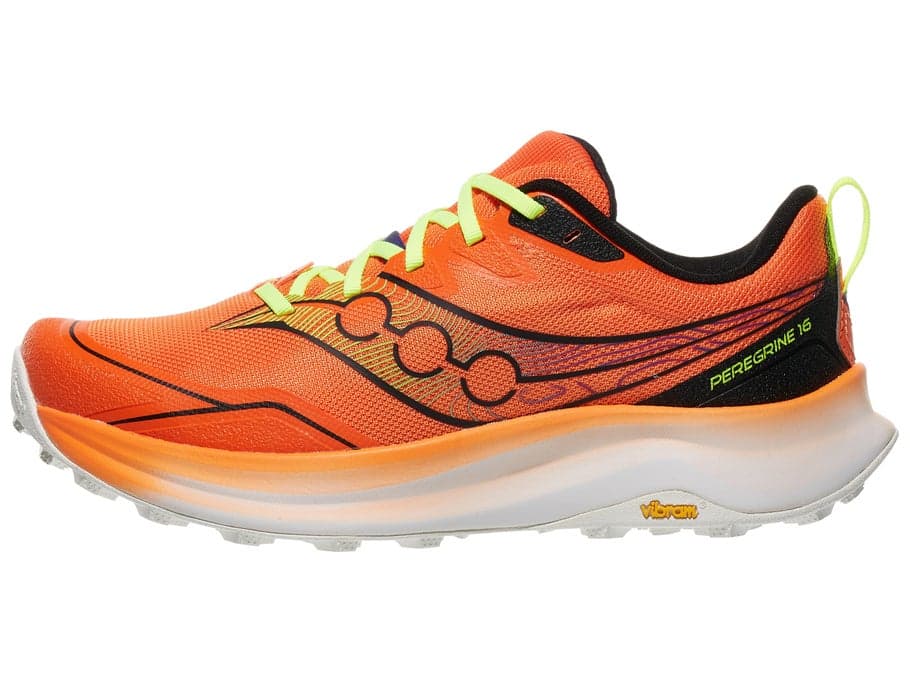
The Saucony Peregrine 16 replaced the Peregrine 15 in January 2026 and retired PWRTRAC after some fifteen years: the outsole is now Vibram Megagrip, whose wear resistance roughly doubled in lab testing even with shallower lugs. Four real millimetres of foam went on at both ends, the 15's rand came off, and the list price moved to $145 at launch and $150 since.
- Saucony Peregrine 15Sizes running outWomen's
- Saucony Peregrine 16Sizes running outMen's at AmazonWomen's
Availability last checked Sep 10, 2026. Prices and stock change without notice.
At a glance
- The Peregrine 16 is 0.4 oz heavier
- 4 mm more heel stack
- Drop is unchanged at 4 mm
- New midsole foam
- List price up $5
Every spec side by side, with the reason behind each change: Peregrine 15 vs 16.
Stay on your shoe, or switch?
Changed characterThe Vibram Peregrine, and a genuine reviewer split rather than a consensus. Road Trail Run scored it 9.6 and called it the best in the lineage; RunRepeat gave it 88 and called it the update it had waited years for; GearJunkie called it a one-shoe quiver. Believe in the Run graded it C-tier, workmanlike, with the 15's magic gone. Both camps agree on the facts, elite grip, real added stack, a firmer feel, and disagree about whether the nimble Peregrine survived them. Owner data is months old and thin; check back in the fall.
Stick with the Peregrine 15 if
- You run deep mud, where the 15's deeper PWRTRAC lugs out-bite the shallower Vibram chevrons
- The 15 fit you like the reviewers said it did; Believe in the Run thinks its magic did not transfer
Old stock is gone; see alternatives below.
Move to the Peregrine 16 if
- Wet rock and roots decide your days out: Megagrip is the grip upgrade this line owed you for a decade
- You want the most cushioned, most durable-soled Peregrine yet and do not mind 0.4 oz for it
What loyalists said about the update
Early and directionally positive, with the caveat that almost all of it is professional. The thin owner sample is friendly: no one- or two-star reviews at Zappos yet, an early GTX owner at 850 km, and a February buyer happy that it runs wider, rounder and more stable than before. The dissent so far is about foam rather than rubber, one Running Warehouse reviewer demanding a better midsole at this price, and about fit, a former Cascadia wearer finding it slim. No aggregate score exists yet for the standard 16; the GTX page reads 68 percent on a small sample.
Still want the original?
Buy remaining Peregrine 15 stock
Sizes running outDiscontinued at retail. Amazon carries what remains, so treat an in-stock size as a closing window, and expect prices to swing.
Men's stock is gone.
Women's: Check remaining stockAvailability last checked Sep 10, 2026.
Ready to move on?
Beyond the Peregrine 16, these come closest to what the Peregrine 15 did.
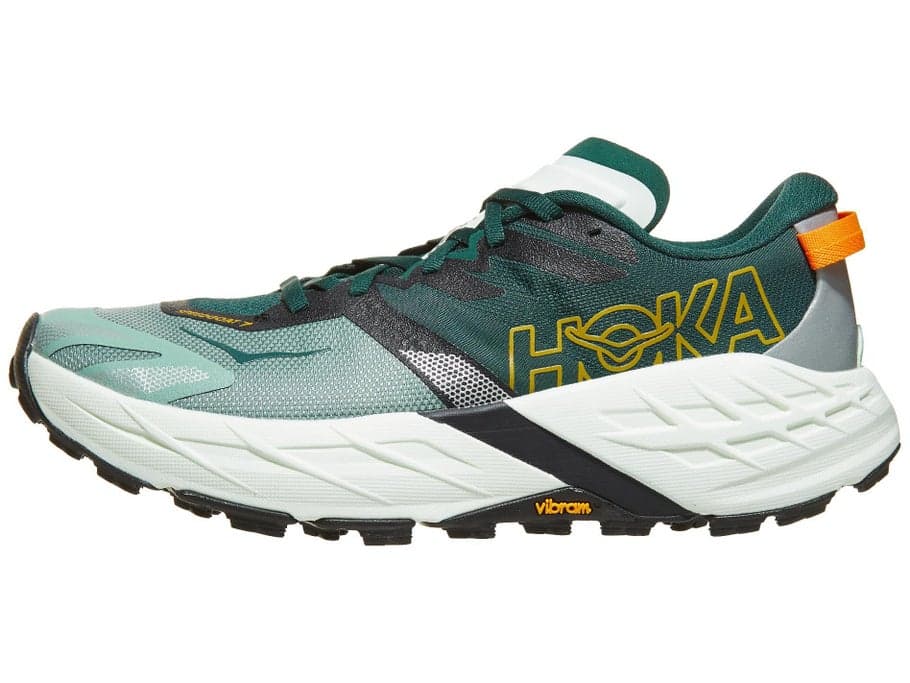
- 9.6 oz
- 5 mm drop
- 40 mm heel
- $165 list
The two mainstream technical-trail picks, split by philosophy. The Speedgoat stacks 40 mm of foam on a 5 mm drop and protects with sheer volume; the Peregrine sits around 30 mm on a 4 mm drop and protects with a rock plate, trading cushion for ground feel and about an ounce. Since the Peregrine 16 they share Vibram Megagrip rubber, so the choice is now purely about how much shoe you want between you and the trail.
Against your Saucony Peregrine 15: 0.2 oz heavier, 12 mm more heel stack, 1 mm more drop, $25 more at list.
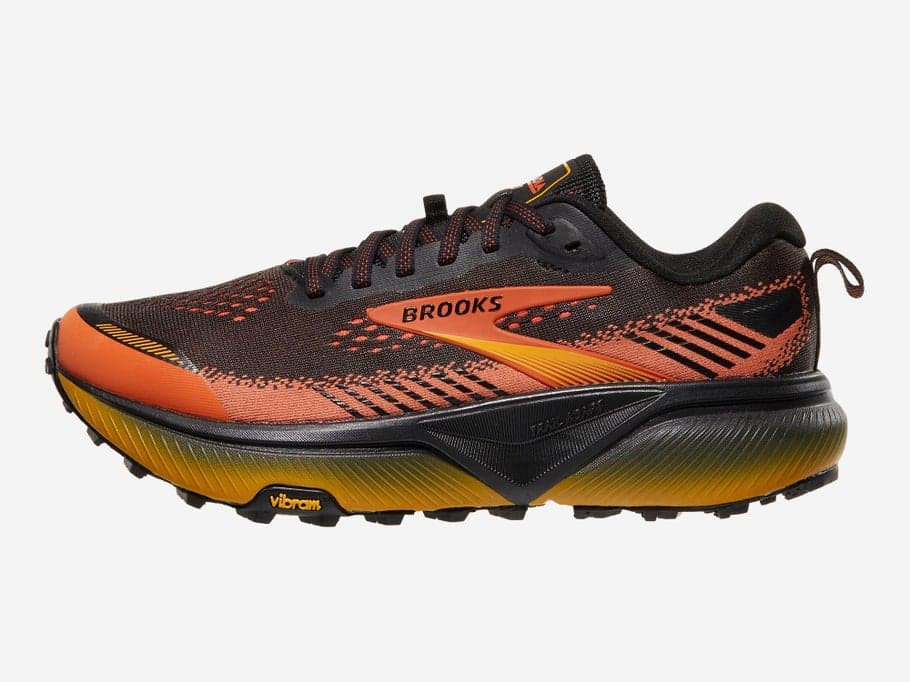
- 10.8 oz
- 6 mm drop
- 38 mm heel
- $160 list
The other conventional-drop trail workhorse with a rock-plate heritage, one shelf over. The Cascadia is the heavier, more protective, more hiking-adjacent of the two, with a 2E width the Peregrine only recently matched; the Peregrine is lighter, lower and quicker. Believe in the Run benchmarked the Peregrine 16 against the Cascadia 19 directly, and both lines swapped their house rubber for Vibram within a year of each other.
Against your Saucony Peregrine 15: 1.4 oz heavier, 10 mm more heel stack, 2 mm more drop, $20 more at list.
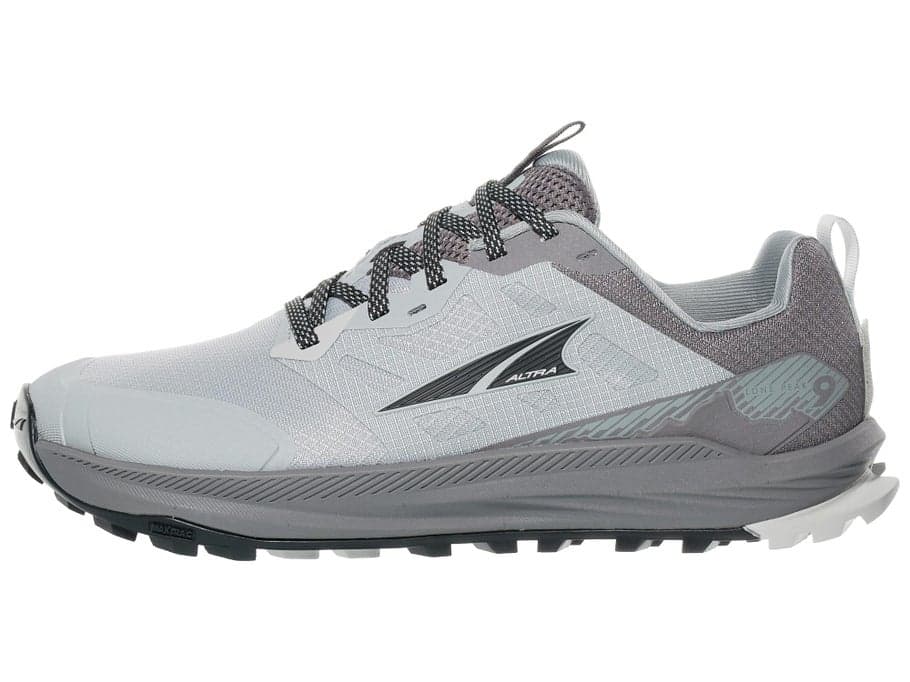
- 10.4 oz
- 0 mm drop
- 25 mm heel
- $140 list
The two low-stack, ground-feel trail shoes, separated by the drop question. The Lone Peak is zero drop and foot-shaped at 25 mm; the Peregrine runs 4 mm with a conventional taper and a snugger midfoot, plus a rock plate the Lone Peak buries in its midsole. Runners who want trail feel without committing to zero drop usually land on the Peregrine; the traffic the other way is Peregrine owners whose toes want more room.
Against your Saucony Peregrine 15: 1 oz heavier, 3 mm less heel stack, 4 mm less drop.
Questions runners ask
- Is the Saucony Peregrine 15 still available?
- Partially. Women's sizes still turn up on Amazon, but men's stock is gone. If your size shows up, decide quickly; discontinued stock only shrinks.
- Is the Peregrine 16 a downgrade from the Saucony Peregrine 15?
- Not a downgrade, but a different shoe. The Peregrine 16 scores well with new buyers while changing the ride that Saucony Peregrine 15 loyalists bought it for. Read the spec changes before assuming it will feel familiar.
- How much heavier is the Peregrine 16?
- 0.4 oz heavier in a men's US 9: 9.8 oz against the Saucony Peregrine 15's 9.4 oz.
- What is the closest current alternative to the Saucony Peregrine 15?
- The Hoka Speedgoat 7. The two mainstream technical-trail picks, split by philosophy. The Speedgoat stacks 40 mm of foam on a 5 mm drop and protects with sheer volume; the Peregrine sits around 30 mm on a 4 mm drop and protects with a rock plate, trading cushion for ground feel and about an ounce. Since the Peregrine 16 they share Vibram Megagrip rubber, so the choice is now purely about how much shoe you want between you and the trail.