What replaced the Hoka Clifton 8?
Updated July 30, 2026. Specs are men's US 9.
Amazon links on this page pay us a commission. It never changes your price. Details
THE SHORT ANSWER
The Clifton 9 replaced the Clifton 8 in February 2023. It added 3 mm of foam underfoot, got slightly lighter anyway on a new midsole compound, and raised the price $15 to $145. It went on to become the most loved version of the line.
- Hoka Clifton 8Sizes running outMen's at AmazonWomen's
- Hoka Clifton 9Men's at AmazonWomen's
Availability last checked Jul 30, 2026. Prices and stock change without notice.
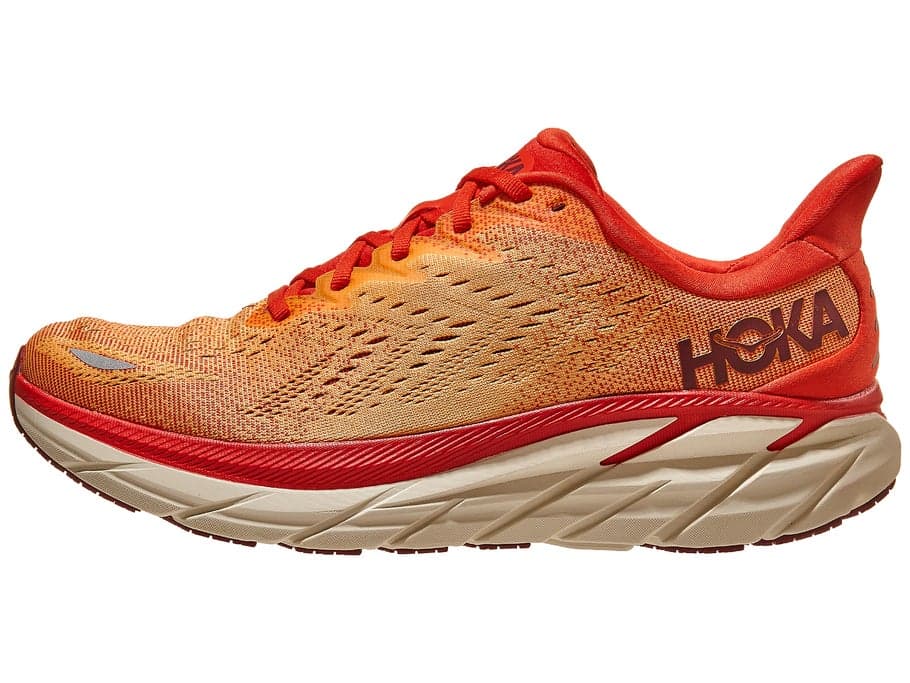
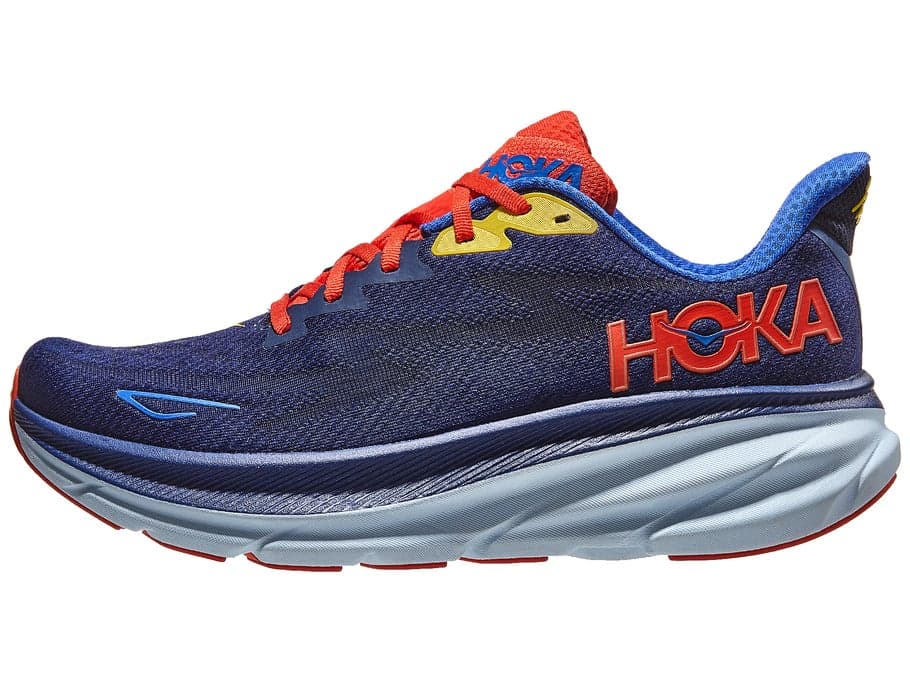
At a glance
- Weight is unchanged
- 3 mm more heel stack
- Drop is unchanged at 5 mm
- New midsole foam
- List price up $15
Every spec side by side, with the reason behind each change: Clifton 8 vs 9.
Stay on your shoe, or switch?
Refined, same shoeThe 9 added foam and dropped weight at the same time, which is the update every shoe promises and few deliver. Reviewers called it a masterclass in not messing with success. It became the reference point every later Clifton gets judged against.
Stick with the Clifton 8 if
- The 8 undercuts the 9 badly on marketplace price in your size
- You prefer the slightly lower, more connected 29 mm platform
Move to the Clifton 9 if
- You want more cushion with zero weight penalty
- You log long easy miles; the 9 is the high-water mark of the classic formula
Where the Hoka Clifton is now
The line has moved three versions past the Hoka Clifton 8, and the current model is now the Clifton 11 (2026). Measured against your shoe:
- The Clifton 11 is 0.4 oz heavier
- 13 mm more heel stack
- Drop moved from 5 mm to 8 mm
- New midsole foam
- List price up $25
What loyalists said about the update
The beloved one. One lab scored it 87 and wrote that it was simply a better shoe overall. Years later it is still the version fans mean when they ask for the old Clifton back, and remaining stock keeps selling on that reputation.
Still want the original?
Buy remaining Clifton 8 stock
Sizes running outDiscontinued at retail. Amazon carries what remains, so treat an in-stock size as a closing window, and expect prices to swing.
Availability last checked Jul 30, 2026.
Ready to move on?
Beyond the Clifton 9, these come closest to what the Clifton 8 did.
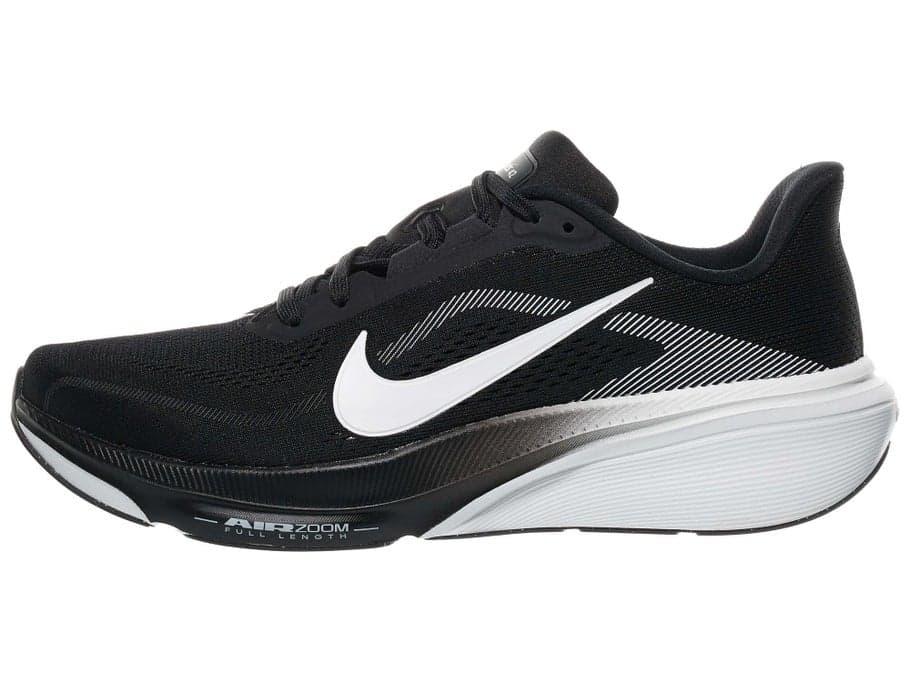
- 10.1 oz
- 10 mm drop
- 37 mm heel
- $145 list
The Pegasus is the traditional-trainer counterpoint: firmer, lower to the ground, with a snappier feel. Runners switch between these two lines in both directions depending on how much cushion they want.
Against your Hoka Clifton 8: 1.3 oz heavier, 8 mm more heel stack, 5 mm more drop, $15 more at list.
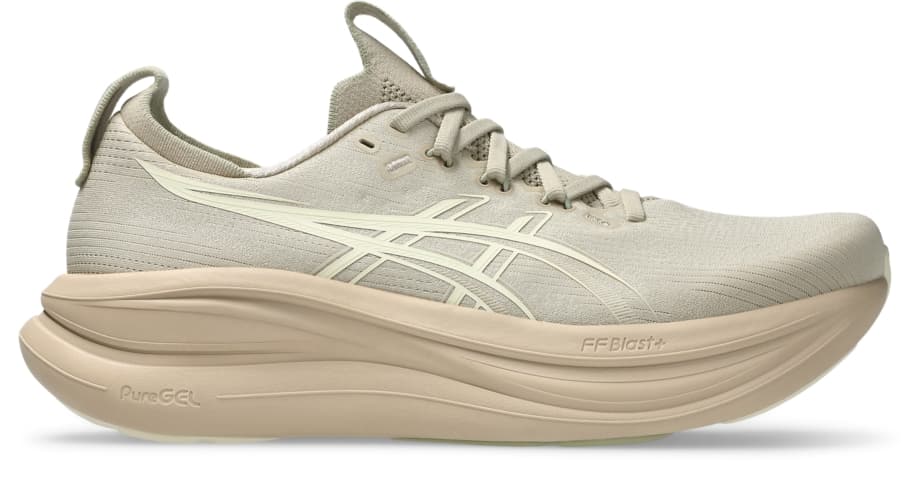
- 9.9 oz
- 8 mm drop
- 43.5 mm heel
- $165 list
The modern Nimbus matches the Clifton's tall, soft, rockered formula with a plusher upper and a little more weight. The closest cross-shop in the max-cushion aisle.
Against your Hoka Clifton 8: 1.1 oz heavier, 14.5 mm more heel stack, 3 mm more drop, $35 more at list.
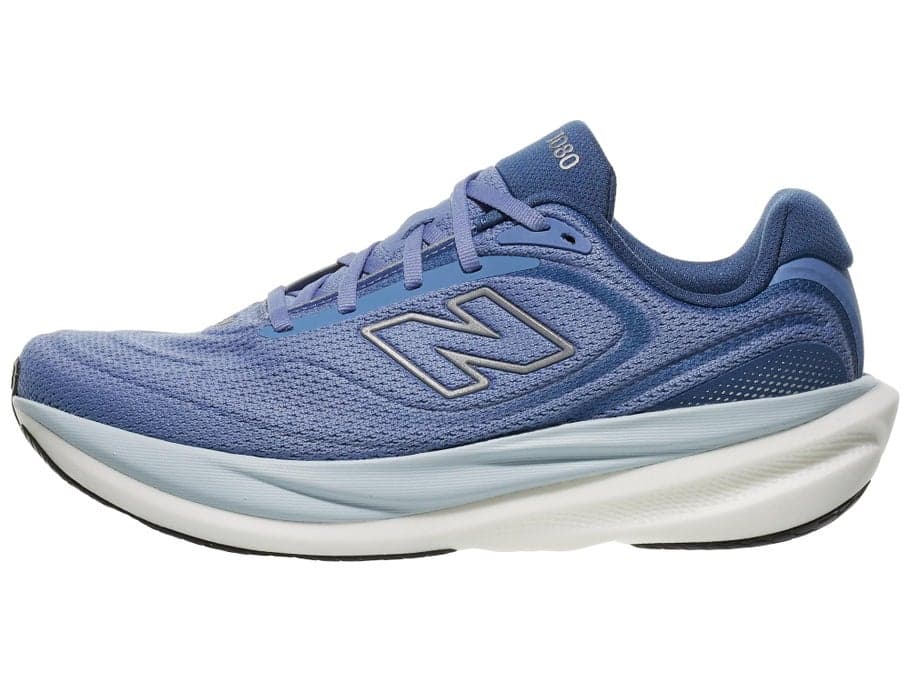
- 9 oz
- 6 mm drop
- 40 mm heel
- $170 list
The 1080 matches the Clifton's soft rockered formula with a plusher build and a full width range. It runs about an ounce heavier.
Against your Hoka Clifton 8: 0.2 oz heavier, 11 mm more heel stack, 1 mm more drop, $40 more at list.
Questions runners ask
- Is the Hoka Clifton 8 still available?
- For now. Amazon still lists the Hoka Clifton 8, but the size run is thinning and prices swing with remaining stock. If your size is there, this is the late window, not the early one.
- Is the Clifton 9 a downgrade from the Hoka Clifton 8?
- No. Most runners rate the Clifton 9 as the same shoe done slightly better. The changes are real but none of them alter what the shoe is.
- Is the Hoka Clifton still made?
- Yes. The current version is the Hoka Clifton 11, released in 2026, 3 versions on from the Hoka Clifton 8.
- What is the closest current alternative to the Hoka Clifton 8?
- The Nike Pegasus 42. The Pegasus is the traditional-trainer counterpoint: firmer, lower to the ground, with a snappier feel. Runners switch between these two lines in both directions depending on how much cushion they want.